Cleveland Chimney Sweep Pros

Chimney Sweep in Cleveland, TN

Chimney sweeping for homes that actually burn — in Bradley County plenty of families heat with wood stoves and inserts all winter, and those flues load creosote faster than any occasional-use fireplace. We sweep and inspect them accordingly.

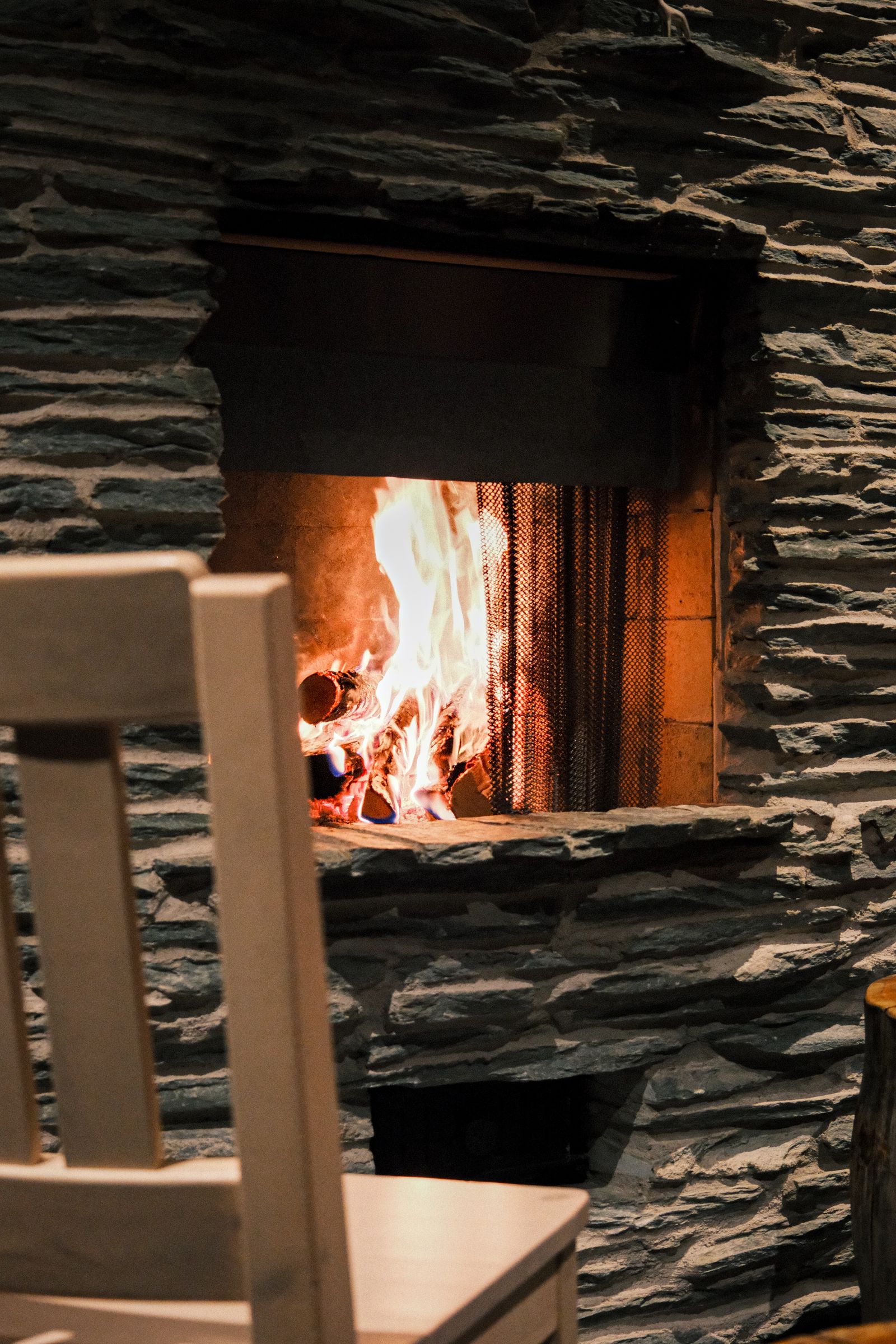
A clean, well-maintained fireplace with a warm fire burning

Free quotes

No-obligation pricing, up front.

Local to Cleveland

We know the area and serve it.

Fast response

Same-day callbacks whenever we can.

Chimney Sweep done right in Cleveland

A dirty or blocked chimney does more than risk a fire — it can push smoke and carbon monoxide back into your home and make every fire harder to light and slower to draw. A proper sweep and inspection keeps the flue drawing the way it should, so your fireplace stays safe, efficient, and ready whenever you want it.

The Chimney Safety Institute of America (CSIA) recommends every chimney be inspected at least once a year, and swept whenever creosote buildup reaches about 1/8 inch. Cleveland Chimney Sweep Pros handles both for homeowners across Cleveland, TN — a thorough cleaning plus a real look at the firebox, damper, flue, and cap so you know your system is safe to use, not just clean to look at.

Call for a free, no-obligation quote and we’ll get you on the schedule before the season gets busy.

Cleveland, TN gets real winters with enough freeze cycles to crack aging mortar, followed by humid summers that keep masonry damp for months at a time. Scheduling a sweep in early fall — before the first cold stretch — means your flue is inspected before that stress pattern repeats itself for another season.

Wood-heat country needs a different sweep schedule

Between Cleveland, the foothills communities toward the Ocoee, and the rural stretches of Bradley and Polk County, a lot of homes here don't just enjoy a fireplace — they heat with wood. Stoves, inserts, and daily winter fires are a different duty cycle than the twice-a-month ambiance fire, and the flue knows the difference: a stove running all season can deposit more creosote in one winter than a casual fireplace does in five.

Slow, damped-down overnight burns — exactly how most people run a stove — produce the cooler, smokier exhaust that condenses into glazed, third-degree creosote, the kind that fuels chimney fires and can't be brushed off casually. If your stove pipe or insert flue has gone a full heating season without a look, that's not a someday item; it's the difference between a routine sweep and discovering a glaze problem in January.

We serve Cleveland, Charleston, McDonald, Hopewell, and the surrounding Bradley County area. Call Cleveland Chimney Sweep Pros at (423) 734-7234 — quotes are free and no-obligation, and late summer is the easy time to get on the schedule.

What's included

  • Full-length flue sweep with HEPA dust containment
  • Creosote removal and cap/spark-arrestor clearing
  • Check for nesting, blockages, and obvious liner damage
  • A clear summary of the chimney’s condition when we’re done
  • A free, no-obligation quote before any work
  • Level 1 visual inspection of firebox, damper, flue, and cap

How it works

  1. 1

    Inspection first

    We start by looking at the firebox, damper, smoke chamber, flue, and cap — and check how the chimney is drafting. That tells us how much creosote has built up and whether anything else (a cracked liner, a missing cap, an animal nest) needs attention.

  2. 2

    Dust-free sweep

    We seal the fireplace opening and use rod-and-brush sweeping with HEPA vacuum containment, so the soot ends up in our equipment — not on your floors, furniture, or walls.

  3. 3

    Clear the flue & cap

    We remove creosote down the full length of the flue and clear the cap and spark arrestor of debris and nesting, so smoke draws properly and embers stay contained.

  4. 4

    Walk you through what we found

    When we’re done you get a plain-English rundown of the chimney’s condition, any safety concerns, and what (if anything) needs follow-up — no upsell, no scare tactics.

Why choose a local pro

Cleveland, TN sits in the Ridge and Valley region where cold air funnels down from the surrounding highlands and temperatures swing hard between seasons. Those freeze-thaw cycles stress mortar joints and flue liners more than a consistently cold climate would, and the high humidity that lingers through spring and summer accelerates the kind of creosote softening and masonry moisture damage that a sweep in a drier region might rarely encounter.

Much of the local housing stock is mid-century construction, and older homes in this part of Tennessee were commonly built with prefabricated or single-wythe brick chimneys that need closer attention than modern double-wall systems. Spring pollen loads here are also genuinely heavy, and that organic debris combines with moisture inside flues to create blockage and accelerated liner deterioration. Knowing what these specific chimneys are made of, and what the local seasons do to them, shapes how and when the work gets done right.

Signs you may need chimney sweep

  • A strong campfire or tarry smell coming from the fireplace, especially in humid weather
  • Black, flaky or shiny tar-like buildup visible on the firebox or flue walls
  • Birds, squirrels, or scratching sounds in the chimney — a sign of nesting or a missing cap
  • Fires that are hard to start or won’t stay lit (often a draft or buildup problem)
  • You haven’t had the chimney swept in over a year (CSIA recommends annual inspection)
  • Smoke pushes back into the room instead of drawing up the flue
  • A wood stove or insert that ran daily last winter and hasn't been swept since
  • Shiny, tar-like glaze visible inside the stovepipe or flue — glazed creosote, the kind that fuels chimney fires
  • Smoke drifting back into the room when you damp the stove down for an overnight burn

Our promise

Every quote is free and no-obligation, and we’ll never invent work you don’t need. We tell you honestly what your chimney needs and what it doesn’t — and we leave your home as clean as we found it.

Helpful guides

Straight answers to the questions homeowners ask us most.

Other services

Frequently asked questions

Do you inspect the chimney as well as clean it?
Yes. A sweep without a look at the system is only half the job. We perform a Level 1 visual inspection of the firebox, damper, flue, and cap, and flag anything that affects safety — nesting, blockages, a missing cap, or obvious liner damage — so you’re not just clean, you’re safe to burn.
My fireplace smells smoky — does that mean it needs sweeping?
Often, yes. A strong, tarry or campfire-like odour — especially when it’s humid — usually means creosote has built up in the flue. Smoke pushing back into the room is another common sign, though that can also point to a draft or blockage issue. Either way it’s worth an inspection before your next fire.
I have a gas fireplace — does that need sweeping too?
Gas appliances produce far less creosote than wood, but the venting still needs an annual inspection. Gas combustion produces moisture and acidic residue that can corrode a flue liner over time, and vents can still be blocked by debris or nesting. We can check it and tell you honestly whether it needs service.
How soon can you come out?
We aim to respond the same day you call. Fall and early winter are our busiest stretch in Cleveland, so the earlier you reach out, the easier it is to get a slot before the cold really arrives. Call (423) 734-7234 and we’ll find the soonest time that works.
How often should a chimney be swept in Cleveland?
The CSIA recommends a chimney inspection at least once a year, and a sweep whenever creosote reaches about 1/8 inch. If you burn wood regularly through a TN winter, that usually works out to once a season; lighter or occasional use may stretch longer, but the annual inspection still applies.
How much does a chimney sweep cost in Cleveland, TN?
It depends on the chimney’s height, how much buildup there is, and whether you need just a sweep or a sweep plus a fuller inspection or minor repair. Cleveland Chimney Sweep Pros gives free, no-obligation quotes — call us, describe your setup, and we’ll give you a clear price before any work starts.
What is creosote and why is it dangerous?
Creosote is the tar-like residue that condenses inside your flue when wood smoke cools. It builds in stages — from a light, flaky soot (1st degree) to a hard, shiny glaze (3rd degree) that is very difficult to remove. Creosote is highly flammable and is the leading cause of chimney fires, which is why clearing it before it accumulates matters.
Is the sweep messy? Will soot get in my house?
It shouldn’t. We seal off the fireplace opening and use HEPA vacuum containment while we sweep, so the soot is captured in our equipment. A proper sweep leaves your hearth and room as clean as we found them.
I heat with a wood stove all winter. How often does the flue really need sweeping?
At minimum once a year, and heavy burners should have a mid-season look. A stove running daily deposits creosote far faster than an occasional fireplace, and the slow overnight burns most people rely on produce the cool, smoky exhaust that condenses into glazed creosote — the dangerous kind. Annual sweeping is the cheap insurance here.
Do you service wood stoves and inserts, or just open fireplaces?
Both. Stoves and inserts are a big share of the work in Bradley County — we sweep the stovepipe and flue, check gaskets and connections, and inspect the liner behind inserts, which is where problems hide. If you're not sure what type of system you have, call (423) 734-7234 and describe it; we'll know.
What's the best month to schedule a sweep in Cleveland?
August through early October. Once the first real cold front comes down off the plateau, every wood burner in Bradley County calls the same week. Booking in late summer gets your system inspected before you need it, with your pick of times.
Get your free quote

Fastest way to reach us is a quick call.

or

This is not an emergency line and is not monitored 24/7. In an emergency, call 911. Details.